

Organic Trade and Demand Patterns Organic product consumption all around the world is continuously increasing in a rate that is amazing.
This is rooted in the growing consciousness of the majority of consumers towards their health, sustainability and environment.
The organic side of the market is of preferable choice for the consumers who adore the value of food, healthy mode of production,
And businessmen have a wonderful opportunity to develop agriculture export and conquer new market segment.
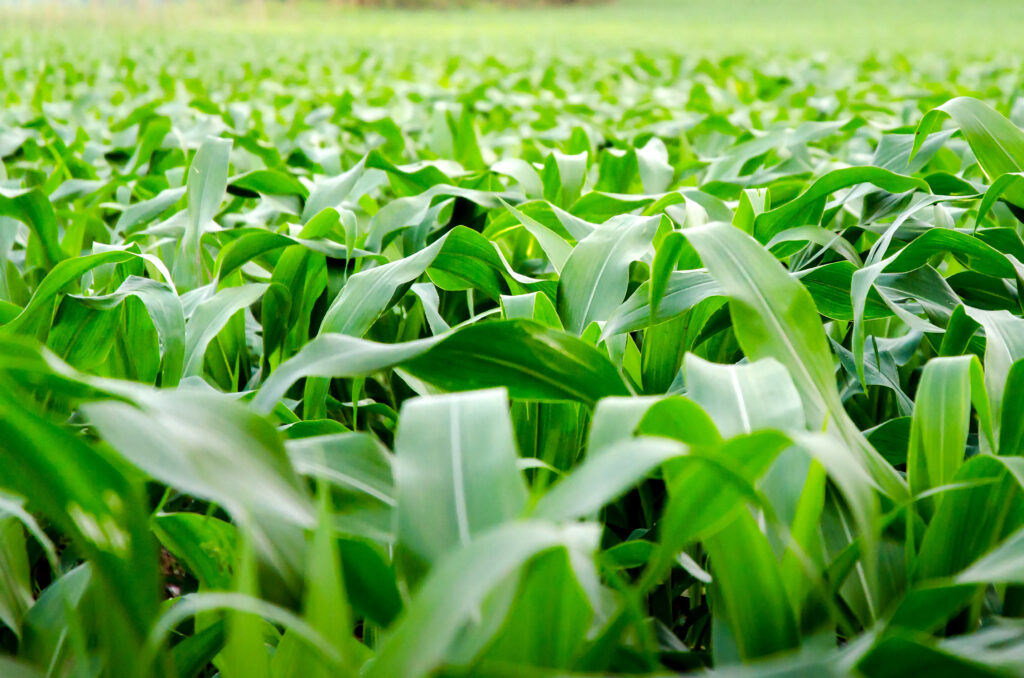
Development of Organic Agriculture
Health Awareness
Increasing number of people are now aware of how the nutrition affects the health.
The commonly believed belief is that organic food is safer with less chances of contracting food poisoning whereas it is also considered
To be more healthy with reduced use of synthetic chemicals, pesticides and genetically modified organisms (GMOs).
Ecological Sustainability
Many consumers think that organic farms are more environmental-friendly which preserves biodiversity.
This in turn leads to increased demands for organic agriculture with all its practices for soil health, water conservation, and ecosystem sustainability
Such as crop rotation, trash composting and natural.
Ethical consumption
Ethical factors are of great concern to the consumers and include issues of animal welfare and fair labor.
Moreover, buying from small farmers is seen as ethic and healthy.
The certification organic refers to these social responsibility issues and ethics.
Market Analysis
Regional Growth Markets
In highly developed countries like North America or Europe there is a long-term tendency to mainly represent the organic market domination,
whereas growing economies of my Asia Pacific and Latin America regions commonly spark up a fast growth
Of consumer demand to organic products due to increased incomes.
Product categories
While fresh produce such as fruits, vegetables and herbs remain the largest share of organic exports, processed organic foods
Including dairy products, grains, meat and packaged products, are what consumers. wants convenience and variety in their organic options.
Retail Channels
Organic products are increasingly available in several retail channels such as supermarkets, specialty stores
farmers markets and online platforms. E-commerce platforms are particularly popular for organic shopping
Offering convenience, accessibility and a wide range of products to consumers worldwide.
Strategies for exporters
Product Innovation
Develop innovative organic products adapted to consumer preferences and market trends, such as plant-based options
Functional foods and organic snacks, to differentiate offerings and capture niche markets.
Market Segmentation
Research the market, define target consumer segments based on demographics, lifestyle preference, buying behavior,
And consider people’s needs and preferences to craft strategic marketing solutions and tailor products
To meet each market segment’s specific procurement needs and requirements.
Supply Chain Transparency
Boost consumers’ trust and show you are responsible by improving supply chain transparency and traceability .
Do not forget about your social responsibility as concerns sustainable production, organic integrity in order to preserve environment’s healthy.
Conclusion
Demand for organic agriculture exports keeps rising at a pace that is greater than anything seen before, with consumers as the drivers,
And their demand being fueled by concerns about health, sustainability and ethical living.
Through studying market situation at length and knowing about consumers’ tendencies for buying the organic products,
Agricultural producers benefit from the opportunities of organic market and can become successful on the global arena.
click here to see revolution of agri export