
BlueHart Impex

Exports

supply chains solutions for import export business

Supply Chain Solutions for Import-Export Businesses

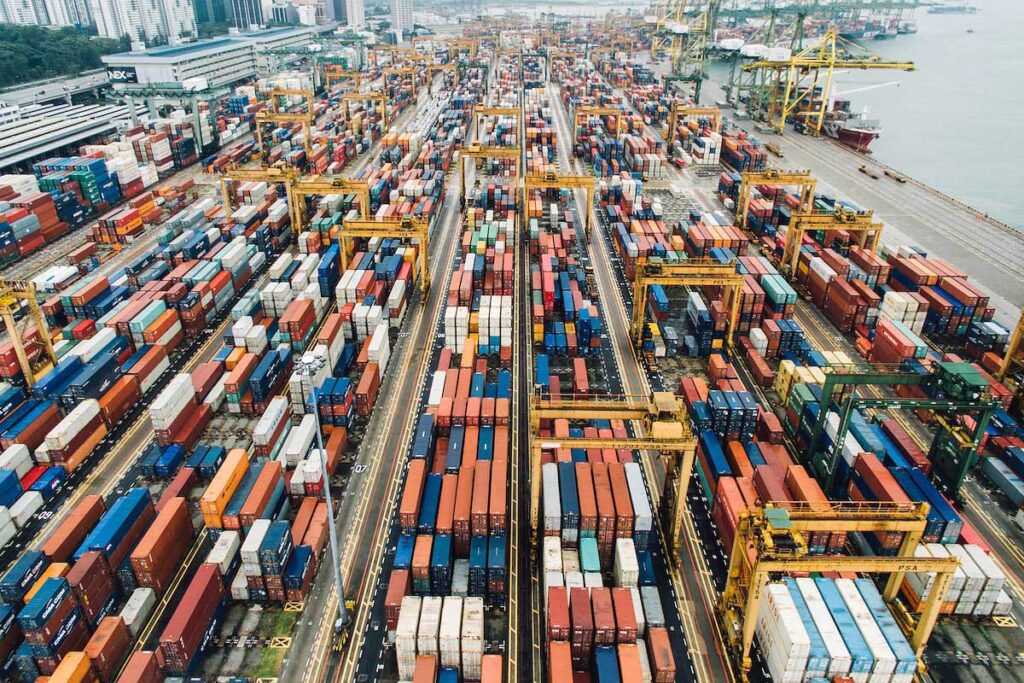
The require for administration of supply chains solutions for import export business. From wars, typhoons, Trump’s protectionism to Brexit. 1. The  Common Catastrophes: Calamities like seismic tremors, storms, and surges can annihilate foundations, influence transport frameworks and coordinations and consequently   2. Geopolitical pressures: Exchange wars, taxes and political insecurity result to put up boundaries, tall taken a toll and capriciousness in universal markets.  3. Pandemics and Wellbeing Crises: Pandemics of infectious maladies like COVID-19 influence generation offices, supply chains and may lead to deficiencies of vital items. Possible difficulties and obstacles on import-export undertakings Inventory Management: This is due to the reasons of high stock, low stock, which affects the cash flow and the profitability of the business. Logistics Delays: Disruptions in transportation networks and congestion of traffic at ports and borders has a disruptive effect Also leads to delays in delivery and extended delivery times. Cost Escalation: Various effects of disruptions with supply chains include; increased transportation costs, tariffs, and other additional charges, which can lower the profit margin and overall cost implications. Measures to Controlling Supply Risks In this context, it is important to note that supply chain disruptions are inevitable but import-export businesses can undertake certain preventive and precautionary measures to build up the immune system. Diversify Suppliers: The selection of a single supplier is also dangerous because instances of disruptions become more frequent. It is wise to work with different suppliers to reduce the risk and guarantee that the company will receive the materials it needs despite the occurrence of various circumstances that may cause disruption in supplies. Implement Just-in-Time Inventory: Implement a just-in-time (JIT) approach to the inventory control systems to avoid stocking high quantities of products, thus reducing the associated expenses. This approach enables the business enterprise to adapt rapidly to changes in demand, and to the risks associated with supply chain disruptions that may arise. Invest in Technology: Optimize and monitor stock through proper use of technology tools in supply chain logistics including application of supply chain management software, data analytics, and real time tracking systems that can help in early detection of supply chain interruptions. Develop Contingency Plans: Make detailed risk management policies for different contingencies to cover for calamities such as natural disasters, political instabilities, and pandemics. Identify contingent transportation networks, develop reserve sources of supply, and stay connected with significant parties to formulate efficient responses to disruption. Strengthen Relationships: Ensure they have excellent communications with suppliers and other entities involved in the supply chain process. Coordination, openness, and trust are crucial for addressing disruptions in supply chain processes. Conclusion Disruptions are a natural part of the supply chain in the import export industry; Nevertheless it is possible to avoid threats and provide continuity by finding solutions in the time of uncertainty and cooperating with suitable partners. Minimizing dependence on a few suppliers, adopting JIT inventory management, technologies of import-export business, contingency plans. And reliable business relationships are the strategies of functioning in the un-sustainable global market. click here for procuring changes in import export

Supply Chain Solutions for Import-Export Businesses Read More »
Procuring Change within the Import-Export

Procuring Change within Import-Export Sector

It is important to notice the procuring change within the world of import- export business, such as the transition to sustainable development. It is noteworthy that they also yield tangible positive effects concerning business’s economic outlook, in addition to the benefits for the company’s reputation and the environment. Understanding Sustainable Trade Practices Essentials of sustainable trade include the use of trading and systems that will cost trade in a sustainable manner. The use of energy and employment of policies to lower carbon emission, protection of resources. As maintaining ethical standards in employment and business dealings, and transparency. Sustainability initiatives should become the business strategies of whatever sectors. As they support the fight against climate change and balanced development on the global level.  Sustainability in trade entails compositions that would facilitate the communication of ideas, values And practices that encourage the promotion of sustainable use of resources. 1. Environmental Responsibility Therefore, the manufacturers that supply many international businesses through importing and exporting ministries play a major role in the international account of emissions and resource consumption. They play a role of bringing out the right approach of harnessing on natural resources to enable the resulting economy to be free from destruction of the natural environment which causes climate change. 2. Consumer Demand Consumer behavior has evolved over time as they are more conscious with the environment and prefer to buy product from organizations with concern towards environment friendly. It is important to understand that those business organizations that intending to follow sustainable business practices enjoy higher brand loyalty and, therefore, markets share. 3. Regulatory Compliance Moreover, there are still new laws, policies and regulation on environment and sustainabilities which are being developed by governments of different countries. Sustainable trade helps to adhere and respect these regulations and where in the legal field there is a counterpart of the violation legal consequences like fines and other complications emerge. 4. Economic Benefits They would also end up by having reduced consumption bills on components such as water, energy and even other raw materials to make efficient consumption an enclave of eco-efficient strategies. Moreover, the funds from such aware investors prove those firms who bolstered sustainable production as one of their factors of production as getting more chances toward expanding their market and funding their development. Conclusion Apparently making trade sustainable is not just another hype but a reality in the current global trend of importing and exporting. It is evident that sustainability can be implemented in corporate strategies so as to minimize the effect on the environment, address the needs of the consumer and consequently have an incentive on the business. Technological advancement, globalization, social network, and innovation will ensure that companies that are in the sustainable endeavor well positioned to make a change in the market place. It is, therefore, not just environmentally responsible but also has economic benefits to try to apply sustainable trade practices. click here for agri export blog

Procuring Change within Import-Export Sector Read More »

sea Port of india Import Export Business risk trade tariffs

Import Export Business risk trade tariffs

In the import-export business new virulent instruments such as tariffs and trade wars, which themselves have created substantial trade volatility tariffs and unpredictability risk in Import-Export Business deals with risk factors affecting firms at all scales. As countries continue to decimate each other with trade and tariffs and productive retaliative actions. This article aims to give an insight of the effects of tariffs and trade-war on the import-export business and how one can manage the risks which are inherent in conditions that are constantly changing.  The Effects of Tariff Systems on Import and Export Businesses Tariffs, or taxes placed upon imported items that are allowed to enter the country, can affect import-export companies immensely. Higher tariffs mean high prices for imported goods that cannot compete easily with domestic products And put them in risk, therefore, leads to a decrease in demand. On the other hand, lower tariffs might expand market access for businesses And open opportunities to penetrate different markets for their products. Trade tensions and what was propaganda for retaliatory tariffs earlier is gradually becoming reality in the global economy Another issue that brings moderate unpredictability in the import-export activity is the trade wars – tariff Increases and corresponding sanctions between countries. As one country continues imposing tariffs on goods produced by fellow countries in what it considers unfair trade practices Other traders could end up suffering losses with business having to deal with higher costs and jammed up supply chains. Hopeful entrepreneurs fail to realize that trade wars are not isolated events, but they generate a domino effect across industries. According to Sarah Lee, an economist who focuses on international trade. As tariffs continue to be imposed and counter tariffs are put in place. Businesses may be forced to pay more for their imports. Source their inputs from other markets that may be more expensive or lose market access entirely. Navigating Uncertainty Trading is central to most businesses and more so import-export businesses where goods are bought in large quantities One country then sold them to another country where they are produced in large quantities. Although tariffs and trade wars represent threats to import-export companies. it is still possible to transition through the definite uncertainty in different ways. Some of the measures that can be taken to remain relevant. Despite the uncertainties include: searching for other markets where to source their supplies and get information on current trade trends. Embracing Agility and Adaptability Winding the clock back to the recent past, import-export organizations can only adjust and develop a winning strategy that will enable them to survive in a constantly shifting environment. This paper concludes that flexibility can help import-export organizations to track market trends and respond to changes to guarantee their success in the market environment. Conclusion Tariffs and trade wars complicate the scenario that exist in the import-export business environment where organizations of all sizes stand to be challenged. Alternatively, through employing various strategies to promoting and maintaining business resiliency, pushing for policy stability And embracing adaptability and change, import-export businesses can effectively manage risks of instability and succeed under volatile, uncertain, complex and ambiguous environments typical for the contemporary global economy. click here for agri export blog

Import Export Business risk trade tariffs Read More »

agri farm of india

Innovating Parries for Agricultural Exports

In this blog we shall see innovating parries for agricultural exports towards maintaining competitiveness in agri exports— but also make it possible for some companies that develop adaptation strategies and innovations despite these difficulties not only be able to address them but also find ways on how they can turn them into opportunities that help them stand out among other producers within those markets where they operate. 1. The effects of climate change on exports of agriculture Climate change is responsible for changing growing seasons because it modifies the temperatures and rainfall. This affects the crop timing and productivity, hence exporters would need to adapt planting schedules to changing climate conditions to be able to grow varieties in which they have positive yields and quality despite altering crop varieties and agricultural practices. 2. Water Stress and Irrigation Challenges are inherently connected to climate change As a result, the situation is going to be more complicated in terms of water stress — or water variability that results from drought; lack of water, or even unpredictable patterns for rainfall. Those agricultural exporters relying on irrigation systems might find it difficult to secure water resources in areas experiencing water stress, let alone managing effective use of water and sustaining crop production. 3. The Shift to Pest and Disease Emphasis given that warmer temperatures as well as changes in climate make it more favorable for pests (insects) and diseases to thrive at the expense of crop health and stability. With these strategies, exporters will have an easier time fighting against those pests and diseases — responsible for compromising product quality: Integrated Pest Management (IPM) measures along with biosecurity surveillance coupled with crop monitoring systems. 4. Extreme Weather Events The impacts of climate change agricultural production systems as well destroying physical infrastructural development. Diversify from to different Crop producers need to diversify their production so that they can be able to produce various types of crops which are adapted to different climates. Adaptation Strategies for Agricultural Exporters 5. Crop Diversification It is essential to shift the base toward more resistant varieties under such climatic conditions as one way through which they can adopt this type of resilient approach that reduces the impact coming from climate-related risks upon crop failure, thereby ensuring some level of continuity in production. Crop use Select crops based on agronomic research findings plus breeding programs’ outputs on materials best suited for local growing conditions and practices in order to achieve production under changing environmental factors. 6. Climate – smart agricultural practices Embracing climate-smart agricultural practices such as conservation, arable forestry and organic agriculture would improve soil fertility, water retention among other things carbon sequestration, reducing greenhouse gas emissions and enhancing ecosystem resilience. 7. Supply chain resilience Strengthening supply chain resilience through diversification of transport routes, warehouses and distribution networks can help in minimizing disruptions resulting from extreme weather conditions as well as logistical problems. Collaborating with logistics partners alongside real time tracking and tracing facilitated by digital technologies improves adaptability to changes. Conclusion Agricultural exporters are faced these challenges and innovating parries towards maintaining competitiveness in agri exports; hence proactive adaptation measures need to be taken to mitigate risks while taking advantage of opportunities presented by the ever-changing environment. It is therefore essential that they realize how this phenomenon affects their exports consequently implementing a comprehensive adaptation plan.

Innovating Parries for Agricultural Exports Read More »