

BlueHart Impex

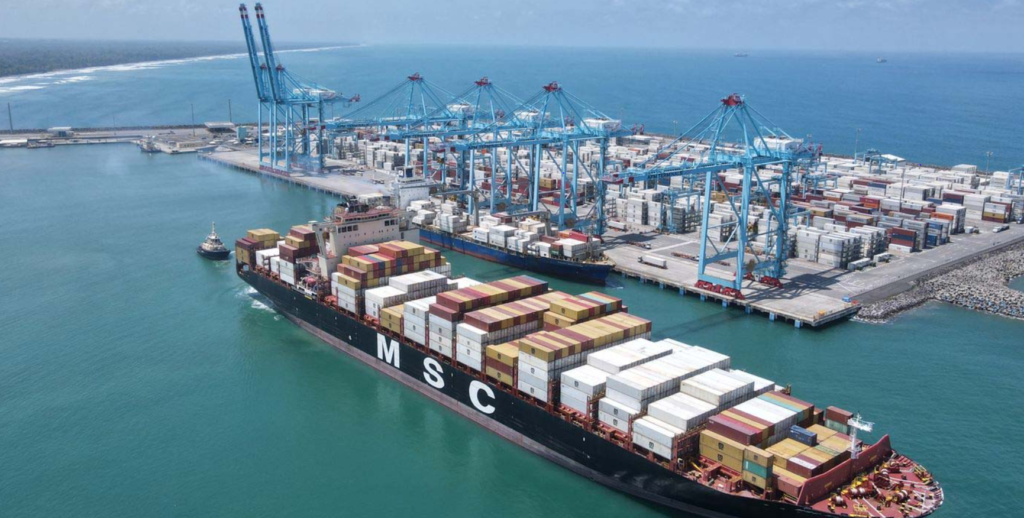
mersk

Agri Exports

Businesses ImpEx Rules and Regulations

Businesses ImpEx Rules and Regulations One of the particularly complicated matters confronting farm enterprises when they are trying to supply their items to the international market is international trade-related issues. It takes a painstaking attention to detail for it to be successful. Understanding Export Regulations Export control refers to the framework of laws that govern the movement of those goods across the international border in different national governments. For agricultural business the any rules and regulation which have product safety, labeling, packaging and documentation may see as a requirement. Conducting market research The agricultural companies need to perform thorough market research as a first step in expenses in export operations. Such as finding out import markets of the potential area, understanding consumer’s behaviour, checking upon one’s competitors. Agricultural products, such certifications may be phytosanitary certificates, sanitary and phytosanitary (SPS) certificates as well as certificates of origin. Inspection and Maintaining of Standards The products you export is something that rings the bell on export agricultural products. The rigorous standards set by the international market must be met through very strict quality control Which covers from the production, processing and packaging of the products. Meeting the label and Packaging Requirement Correct product labeling and package design meet the requirements of export regulations and the growing international market. When looking at the agricultural products labeling requirements by country of destination, labels may need to be in a specific language Indicate nutritional content, composition and allergens warning besides packaging and infringing the standards. Becoming informed and adapting In order not to lag behind the innovative legislation development, enterprises in agricultural sector should be literate And follow updates on the industry news, government announcements and union reports regularly. Conclusion Achieving export trade is very crucial for agri businesses goal is to trade internationally And meet the demands of the world market. One may only enter into the agricultural exporting business by comprehending And complying with the regulatory requierements, conducting in-depth customer research introducing the system of quality checks and using whatever kind of expert support he needs. click here to see organic trade and demand patterns

Businesses ImpEx Rules and Regulations Read More »

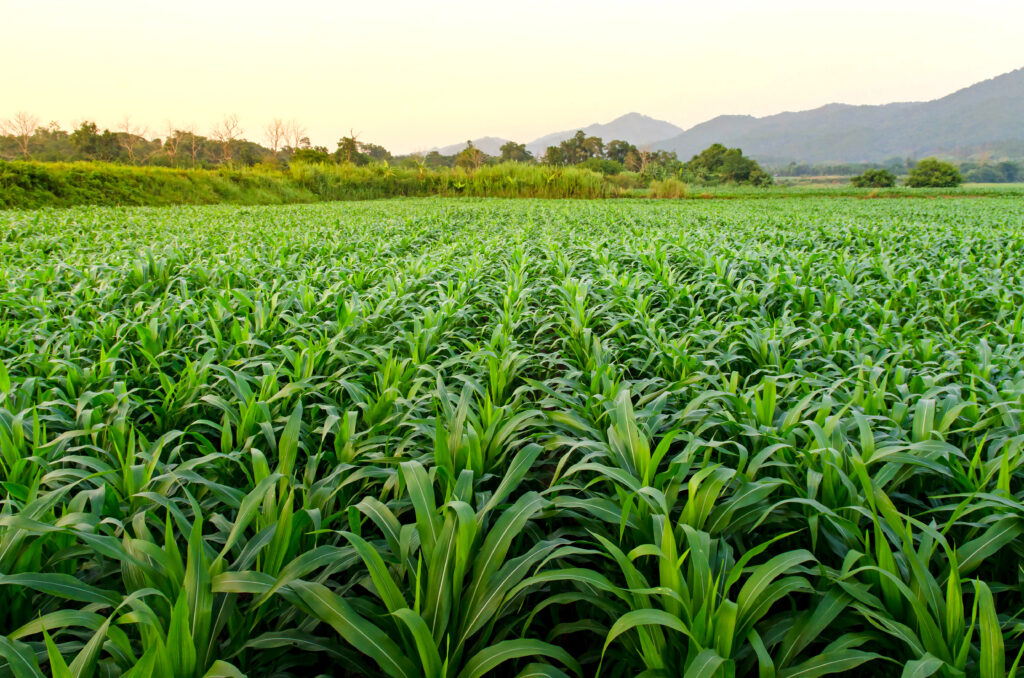
corn field and corn farm

Organic Trade and Demand Patterns

Organic Trade and Demand Patterns Organic product consumption all around the world is continuously increasing in a rate that is amazing. This is rooted in the growing consciousness of the majority of consumers towards their health, sustainability and environment. The organic side of the market is of preferable choice for the consumers who adore the value of food, healthy mode of production, And businessmen have a wonderful opportunity to develop agriculture export and conquer new market segment. Development of Organic Agriculture Health Awareness Increasing number of people are now aware of how the nutrition affects the health. The commonly believed belief is that organic food is safer with less chances of contracting food poisoning whereas it is also considered To be more healthy with reduced use of synthetic chemicals, pesticides and genetically modified organisms (GMOs). Ecological Sustainability Many consumers think that organic farms are more environmental-friendly which preserves biodiversity. This in turn leads to increased demands for organic agriculture with all its practices for soil health, water conservation, and ecosystem sustainability Such as crop rotation, trash composting and natural. Ethical consumption Ethical factors are of great concern to the consumers and include issues of animal welfare and fair labor. Moreover, buying from small farmers is seen as ethic and healthy. The certification organic refers to these social responsibility issues and ethics. Market Analysis Regional Growth Markets In highly developed countries like North America or Europe there is a long-term tendency to mainly represent the organic market domination, whereas growing economies of my Asia Pacific and Latin America regions commonly spark up a fast growth Of consumer demand to organic products due to increased incomes. Product categories While fresh produce such as fruits, vegetables and herbs remain the largest share of organic exports, processed organic foods Including dairy products, grains, meat and packaged products, are what consumers. wants convenience and variety in their organic options. Retail Channels Organic products are increasingly available in several retail channels such as supermarkets, specialty stores farmers markets and online platforms. E-commerce platforms are particularly popular for organic shopping Offering convenience, accessibility and a wide range of products to consumers worldwide. Strategies for exporters Product Innovation Develop innovative organic products adapted to consumer preferences and market trends, such as plant-based options Functional foods and organic snacks, to differentiate offerings and capture niche markets. Market Segmentation Research the market, define target consumer segments based on demographics, lifestyle preference, buying behavior, And consider people’s needs and preferences to craft strategic marketing solutions and tailor products To meet each market segment’s specific procurement needs and requirements. Supply Chain Transparency Boost consumers’ trust and show you are responsible by improving supply chain transparency and traceability . Do not forget about your social responsibility as concerns sustainable production, organic integrity in order to preserve environment’s healthy. Conclusion Demand for organic agriculture exports keeps rising at a pace that is greater than anything seen before, with consumers as the drivers, And their demand being fueled by concerns about health, sustainability and ethical living. Through studying market situation at length and knowing about consumers’ tendencies for buying the organic products, Agricultural producers benefit from the opportunities of organic market and can become successful on the global arena. click here to see revolution of agri export

Organic Trade and Demand Patterns Read More »

Agri Exports

Shaping the Future of Agri Exports

Shaping the Future of Agri Exports Today, as the world becomes more technologically advanced and consumer preferences continuously change, as well as economic globalization deepening, the agricultural export sector faces challenges. The agricultural companies should anticipate and adapt so as to be able to discover fresh trends which will lead to the shape of the future of exports. In the industry can take advantage of, in order to be competitive in a globalized market. Digital Transformation Agriculture is fundamentally transformed by the digital revolution because precision farming, data analytics and blockchain use serves for a new production, processing and trading of food products. Digital agriculture can save resources, hence making farming more productive; and further, The entire supply chain will be traced and transparent enough to satisfy the pallet of ensure consumers as well as regulatory agencies. Sustainability and Traceability Consumers are currently giving all these even more credits: sustainability, ethically sourced food and traceable origin. These are the major factors contributing to increase in the demand of agricultural products that are responsibly produced. Responding to these new demand parameters, exporters are beginning to adopt sustainable agriculture, obtain certificates Such as organic and fair trade, and utilize traceability systems to prove product authenticity And conform to market preferences for environmentally friendly and ethically-created products. Globalization and Market Diversification With the changing landscape of global trading, agro-exporters are exploring diversification of their global markets As part of their mitigation strategy to reduce the risks and to be able to take advantage of the new business opportunities. The major new markets for agricultural exports besides the traditional markets in Asia Pacific, Latin America and Africa regions lie mainly with the emerging economies, Which are characterized by growing incomes, urbanization and changing dietary patterns creating much new room to branch out and expand further. Paving paths to combat climate change Climate change brings major problems to agricultural productivity and food security and producers have to broaden use of sustainable agricultural practices And mitigation actions to sight the impact it may have. Participation in climate-smart agriculture, the use of drought-tolerant agricultural crops And water-saving irrigation systems allows for better plans for exporters to fight against climate change, Which provides a reduction of risks and ensures continuity of supply under changing environmental conditions. Embracing the Future An agriculture company that intends to stay competitive in the future has to not only adopt innovations, practices of sustainability, And product diversification but also roll out aggressive marketing strategies. Utilization of the digital technologies along with practicing The sustainable techniques, exploring new markets and innovating both the product development And the marketing will make exporters to be possible the torchbearers in the agricultural landscape of the future and they will be able to take advantage of the prevailing opportunities. click here to see future of agri export

Shaping the Future of Agri Exports Read More »

Landscape of corn field

Revolution of The Agricultural Export

Revolution of The Agricultural Export advances of technology have contributed to the growth of innovation in agriculture sector agricultural exports, this is no wonder for them now. In many cases, technology is doing the job of improving farm yields, making the logistics more efficient, market access as compared to the conventional methods. Improving Supply Chain Visibility The customers enforcers desire to create a chain of the food that followed from the very beginning up to the end And to provide as much transparency as possible the food supply. Technologies like blockchain, RFID tags, And IoT sensors enable end-users to acquire almost real-time data on crops from farms to tables. Streamlining Logistics and Distribution Technology based solutions like route optimization algorithms, predictive analytics and IoT enabled infrastructure make the movement of goods flexible And are able to accommodate different modes of transport, which include road, rail sea and air. E-commerce and the digital channels The advent of e-commerce and digital platforms that promote international trade has revolutionized agricultural exports can function in local markets. The e-commerce platforms make it possible for customers and merchantsto have a direct contact across the globe supply chains in which the latter are required. The platforms allow exporters opportunity to promote their products to bigger market, negotiate prices and undertake transaction in a better manner. Summary The demand for agricultural products in the international markets is growing as in the conditions Use of accuracy-driven agricultural innovations, more efficient supply chain techniques, shipment procedures, And e-commerce, agricultural businesses that export can access new chances for development and expansion. As the technologies become more sophisticated, the technolgy only underscores the role of technology As a game change for agricultural exports, marking the future of global food trade And creating positive economic and social effects in the this crop-livestock-animal sector. click here to see exporter future

Revolution of The Agricultural Export Read More »

Agro Exporter in the Future

Agro Exporter in the Future

Agro Exporter in the Future today,  which is turning into people-oriented, the agricultural sector is turning into the application of sustainable practices that help reduce environmental impacts and ensure a long-term viability. the food chain from farm-to-fork these members are cognizant of the need for applying environment friendly strategies that not only conserve natural resources but also ensure biodiversity and support community well-being. Hereby, we cover topic of the sustainable approaches in agricultural trade and discuss how both companies and nations can focus on this and development of stronger global markets simultaneously. Embracing Sustainable Agriculture Resource Conservation Sustainable agriculture is designed to do best with the use of the resources, which involve water, energy And land so that minimal wastage and pollutions to the environment are achieved. Sustainable agriculture consists of drip irrigation, crop rotation, and organic farming which significantly cuts down on water and energy usage, As well as prevent soil erosion and ensure natural ecosystems and biodiversity remain alive. Climate Resilience The major consequence of climate change for agricultural not only productive but also endanger food security. The resilience of agriculture and environment and prevention of greenhouses gases with the use of reliable practices such as Agroforestry, carbon sequestration and regenerative agriculture are improved in the process of mitigation of the effects of the climate change. Biodiversity conservation The biodiversity in agriculture helps to sustain the ecosystem and thus to keep the generations to come, as well it helps to conserve diversity of genes and to ensure ecosystem services. Sustainable agricultural methods that involve crop rotation, habitat preservation, and integrated pest management Organizations in Agricultural Trade Exports Certificates and Standards Try and acquire such third-party accreditations like Organic, Fair Trade, Rainforest Alliance or GlobalG. A. Under these circumstances , environmentally friendly organizations will have easy access to consumer markets to show their viability Supply Chain Transparency Set up collaboration and develop relationships with suppliers, farmers, and partners to track back to the origin of agricultural products Establish ethically minded supply structure and implement transparency and accountability throughout the supply chain. Resource Efficiency Include technologies and procedures in the operations that are efficient and sensible. That reduce negative environmental effects and at the same time increase the productivity. Community Engagement Work with the locals, the stakeholders and the indigenous groups to identify their requirements and needs; have respect for their rights And help to prosper the partnerships that involve social equity and sustainability. Conclusion Sustainable approaches will help safeguard the porpoises of agricultural exports in the future by providing economic, social and ecological advantages. Adopting sustainability as a guiding principle and implementing total solutions in all the steps of production, sourcing and distribution, the agricultural exporters Are able to take the lead in development of a global sustainable environment offering the best value to customers too, hence the sustainability goals are attained. click here to see agri trends and vision

Agro Exporter in the Future Read More »

Imitation jewelry export

Imitation jewelry export fastest-growing

Imitation jewelry export is one of the fastest-growing sectors of the Indian economy and has significantly contributed to an increase in export earnings as well as in employment opportunities for the citizens of India. Breaking Barriers The imitation jewelry export industry empowers the woman within every of the company from the craftsmen and artisans, designers managerial positions and even being independent entrepreneurs. The imitation jewelry export industry also make a contribution towards the skills development and human capacity development particularly targeting the women. In the present scenario, proper training session, workshops and vocationally related education And development make women capable to work independently in the industry. Entrepreneurship and Leadership Opportunities Besides employment and skill development, the imitation jewelry export instrument avail women a chance for self-employment and leadership. Today many more women are venturing into business and creating employment And income for oneself and others, innovation in the business and growth of the business in the industry. Rural Communities a Voice and Empower The effects of Imitation Jewelry export business has cut across the female population in rural areas Since the common and primary business sector is very limited. This is for the reason that the industry provides employment opportunities for rural women as production units And training centers are established in their community. Conclusion The imitation jewelry export Industry from India is not only an aesthetic and skillful but also has potential for unfortunate women along with strengthening socio-strata economy. This way the industry has made significant changes in the lives of woman in the country offering employment opportunities, means to develop skill, business, and leadership capacity, Which has helped the woman to come out from the limitations, they earlier faced in their life and dream for brighter tomorrow for them and their families. click here for jewellery export

Imitation jewelry export fastest-growing Read More »

necklace

Imitation jewellery faces constraints and trends

Imitation jewellery faces constraints and trends, India is quite an active and dynamic industry that is bound to face various factors that affect this industry. The changing trends of consumption patterns of food, the radical swings of world economy, All these pose great challenges to exporters situated in India to cope up to survive in the international market. This article aims at examining the current market factors influencing the Indian imitation jewelry exports, While providing insight into the potential trends, difficulties, and strategies within this exciting market. They include internal and external conditions of the imitation jewelry export market; Internal conditions being the fastest; one of the primary dynamic forces influencing the imitation jewelry export market is fashion. Navigating Global Economic Factors Imitated jewelry being consumer exported item its market is vulnerable to the world economy And its trends such as ever-changing currency rates, trade regulation, and political instabilities. First and foremost, exporters must learn to harness vulnerability and seize opportunity And be ready to respond swiftly to whichever eventuality presents itself. Exportation therefore means that these goods should be taken to these other markets; Knowing that the economic conditions change; it is possible to manage these uncertainties and promote development. Embracing Digital Transformation Modern technological innovations such as e-commerce and the use of digital platforms have also influenced The jewelry retail market which is both a strength and a weakness for exporters. Despite the prospect of reaching a wider market and reduced costs due to ease of access to customers, The nature of the communication also makes the market highly competitive and requires investments in digital marketing and technology. Established jewelry exporter Suresh Singh from Kolkata has stressed that ‘digital transformation is now redefining paradigms of business’. Due to the digitalization of consumers, exporters have to harness the use of e-commerce scales, Utilize the maximum exposure of websites, and adopt the use of the digitality to provide the best customer relations. Sustainability: A Growing Imperative As the importance of protect environment increases more and more, measure for sustainability are also under consideration of consumers. To this trend, the exporters must embrace environmentally friendly product material, sourcing from other from other moral sources, and quality revealing on the supply chain to meet the new economy which is expressive on environmental concerns. Conclusion In essence, to effectively manage the factors and erraticities associated with imitation jewelry export in India, firms need to draw coping strategies from adaptability, creativity and dynamic market insights pertinent to the industry. Thus, exporters can ensure industry growth staying on the same fashion trends, implementing balanced approach to quality and price, tracking the fluctuations of global economy, adapting to the possibilities of digital technologies, and promoting sustainability. click here to see coservation of jewelry

Imitation jewellery faces constraints and trends Read More »

Girl wearing necklace

Rise of India’s Imitation Jewelry Export Industry

Rise of India’s Imitation Jewelry Export Industry, India’s imitation jewelry export industry is shining brighter than ever. With its exquisite designs, impeccable craftsmanship, and competitive pricing, Indian imitation jewelry has captured the hearts of fashion enthusiasts around the globe. This article explores the remarkable journey of India’s imitation jewelry export industry, tracing its sparkling rise to international prominence. India’s Rich Tradition of Jewelry Making India has a long and illustrious history of jewelry making, dating back thousands of years. From the opulent jewels jewelry has always held a special place in Indian culture and tradition. “Our rich heritage of jewelry making provides a solid foundation for the imitation jewelry export industry to thrive.” Impeccable Craftsmanship and Attention to Detail One of the hallmarks of India’s imitation jewelry export industry is its impeccable craftsmanship and attention to detail. Skilled artisans painstakingly recreate the look and feel of precious metals and gemstones using materials such as brass, copper, and cubic zirconia. “Each piece of imitation jewelry is a work of art,” explains Rajesh Gupta, a jewelry exporter based in Mumbai. “Our artisans bring centuries-old techniques and traditions to life, infusing every piece with a sense of heritage and authenticity.” Making Fashion Accessible to All One of the key drivers behind the rise of India’s imitation jewelry export industry is its affordability. Unlike fine jewelry, which can be prohibitively expensive, imitation jewelry offers fashion-conscious consumers the opportunity to accessorize with style without breaking the bank. Conclusion This article discusses the development of the imitation jewelry export industry. In India, proving that the country is talented, resourceful, and incredible in terms of craftsmanship and creativity. Gradually the Indian exporters and artisans boast of themselves in providing wide range. Style of garments keeping in mind the changing trends for the world to embrace the fashion industry. Packed with all kinds of imitation jewelry known for affordable luxury, timeless designs and global appeal, the Indian imitation jewellery export market looks to have better days ahead And all set on the path to become a leading player in the global fashion accessories market. click here for smooth impex operations

Rise of India’s Imitation Jewelry Export Industry Read More »

Procuring Change within the Import-Export

Ensuring Smooth Import-Export Operations

Ensuring Smooth Import-Export Operations The goal of this paper is to dwell upon the topic of achieving a high level of organization to be conducive to the smooth and efficient flow of goods and services across borders.  Why Customs Compliance Matters 1. Avoiding Penalties and Fines: To customs regulations is a grave offense likely to be subjected to legal consequences. They can actually accumulate over time in the case of a business and hurt the general profitability of the firm. 2. Preventing Delays: Lack of proper or sometimes inadequate documentation of these products normally leads to spent at the various check points that are available for customs. Such as supply of spare parts inventories and the delivery of the final product to customers. Non-compliance with customs laws can lead to severe penalties and fines for impex, and freight forwarders As well as duties for the re-exportation of goods to other countries. 1. Accurate Documentation: To optimize customs compliance documentation must be accureate and easy to be complete. Other necessary documents include the commercial invoices, bills of lading, certificate of origin, and packing lists. 2. Correct Tariff Classification: Products must be right HS code if one is to know the correct tariffs and duties that apply. Miss-classification can lead to over-payment of duties or actualization of penalties. Individuals, collectivities, and institutions must ensure that they take time to train themselves on how to classify their products more closely. Useful Advice on Meeting Customs Requriements 1. Invest in Training and Education: As it has been established, staff engaged in import-export operations must be trained. constant training must be conducted to the staff who are involved in import-export operations. 2. Utilize Technology and Automation: This is because through advance preparation, proper consultation and strategic Use of technology, many processes related to customs compliance can significantly more efficient. Conclusion Customs compliance is one of the essential elements that determine the prosperity of import-export undertakings. Therefore, by following customs regulations, the business enterprise can reduce on various penalties that may arise, And minimize on the time it takes for the consignment, and develop a reputation for being reliable. click here to see ecom boom in impex

Ensuring Smooth Import-Export Operations Read More »

Global Consumption and Redefining Import-Export

Impact of Digitalization on Import-Export Processes

Impact of Digitalization on Import-Export Processes, thus, playing a key role in the interaction of economies, digitalization is rapidly changing the landscape of international business. The global trading system is entered into a new phase that is come as the digital revolution era. Digitalisation can be inferred to mean the incorporation of digital solutions to peoples’ daily activities within the business environment. These technologies are only helpful in optimizing processes; they are also transforming the very nature of global commerce. The effects of digitization on import and export activities as follows: Attractiveness of Digitalization for Business Cost Reduction: In effect, digitalization cuts down on general expenses through the elimination of repetitive work, paper work, and slow effectiveness. Pricing is directly related to profitability and therefore a lower cost means improved profit margin as well as better positioning to offer lower prices. Speed and Efficiency: The various trade forms and customs procedures are facilitated by the automated systems in the processing of documents. Shorter processing time means shorter delivery times, therefore improving customer satisfaction levels and brand loyalty. Enhanced Customer Experience: Real-time tracking and shorter delivery time all enhance the number one priority, the customer experience. Entrepreneurs can give the latest information to customers, gain customers’ trust, and create loyalty. Scalability and Flexibility: Some of the factors include the following; Since the business operates through the use of digital platforms. It is easy to expand the business and reach other markets and levels without incurring much cost on infrastructure. Market changes and customer requirements are more important, which provides flexibility in adapting to them as one of the competitive advantages. Conclusion It has been seen that through the use of digital tools, there are fewer errors that are made in documentation and completing compliance checks. Records increase compliance with the international trading laws so that there can be little chance of facing penalties and legal problems. click here to see roles and region trade in impex

Impact of Digitalization on Import-Export Processes Read More »